

Certified vs. Plain Copies: What Type of Document Do You Need?
- Oct 21, 2025
- 2 min read
When requesting court or corporate documents, one of the most common questions clients ask is: “Do I need a certified copy or a plain copy?”
The answer depends entirely on how the document will be used. While both contain the same information, they serve very different purposes in legal and business settings.
Understanding the difference can save you time, money, and unnecessary back-and-forth with clerks or agencies.
What Is a Certified Copy?
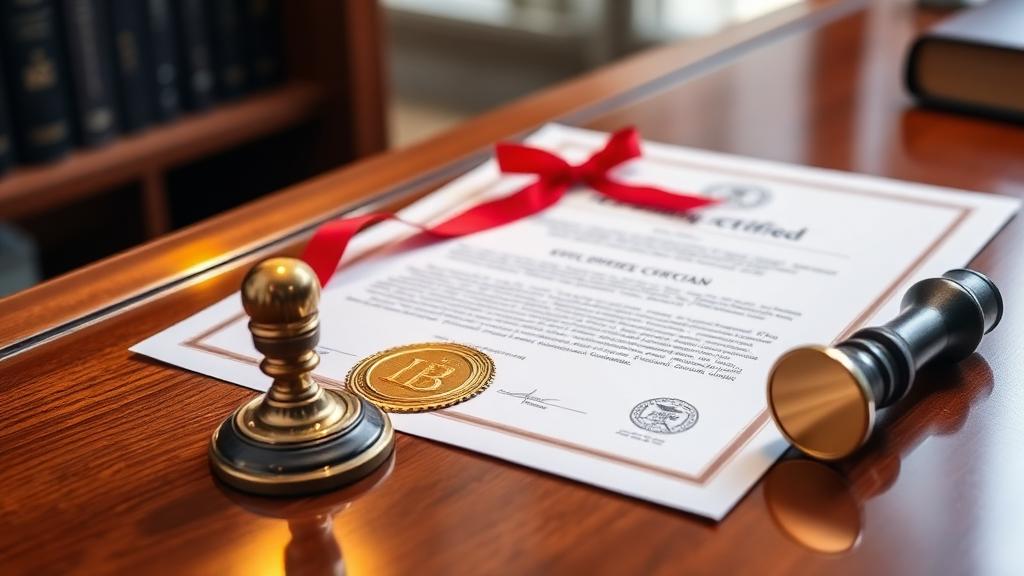
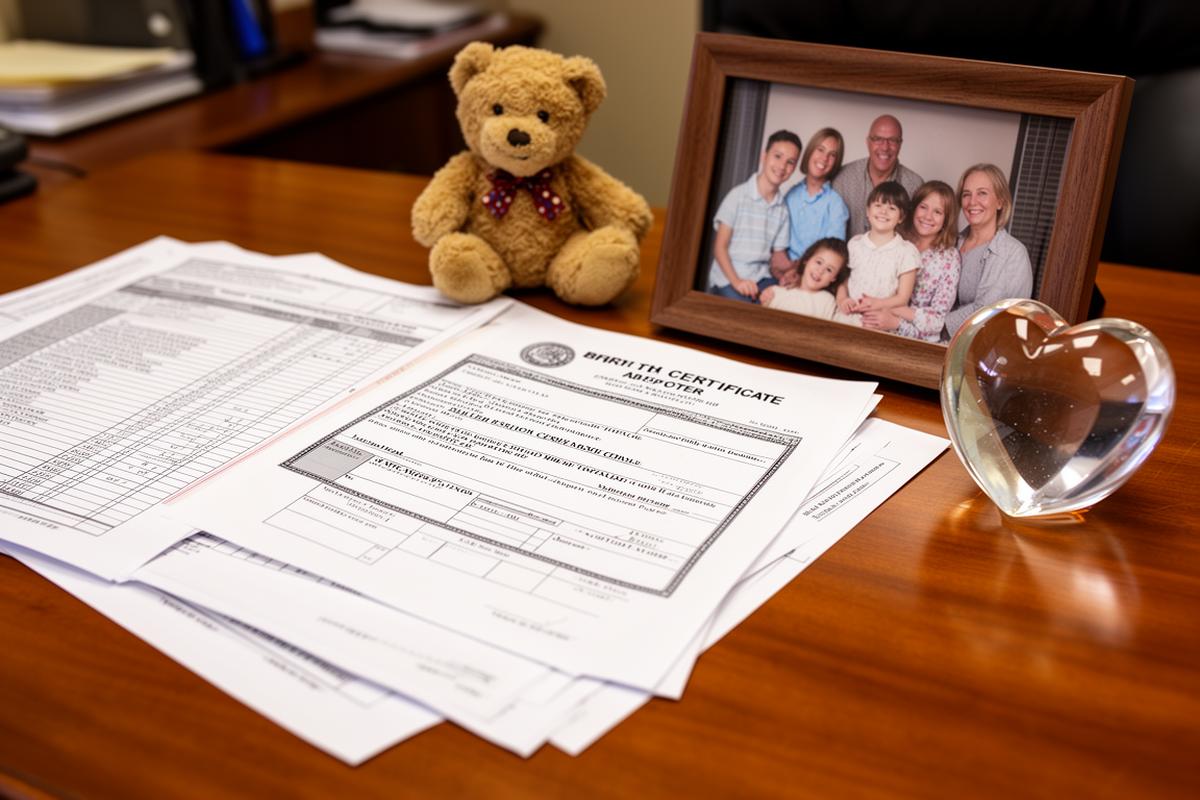
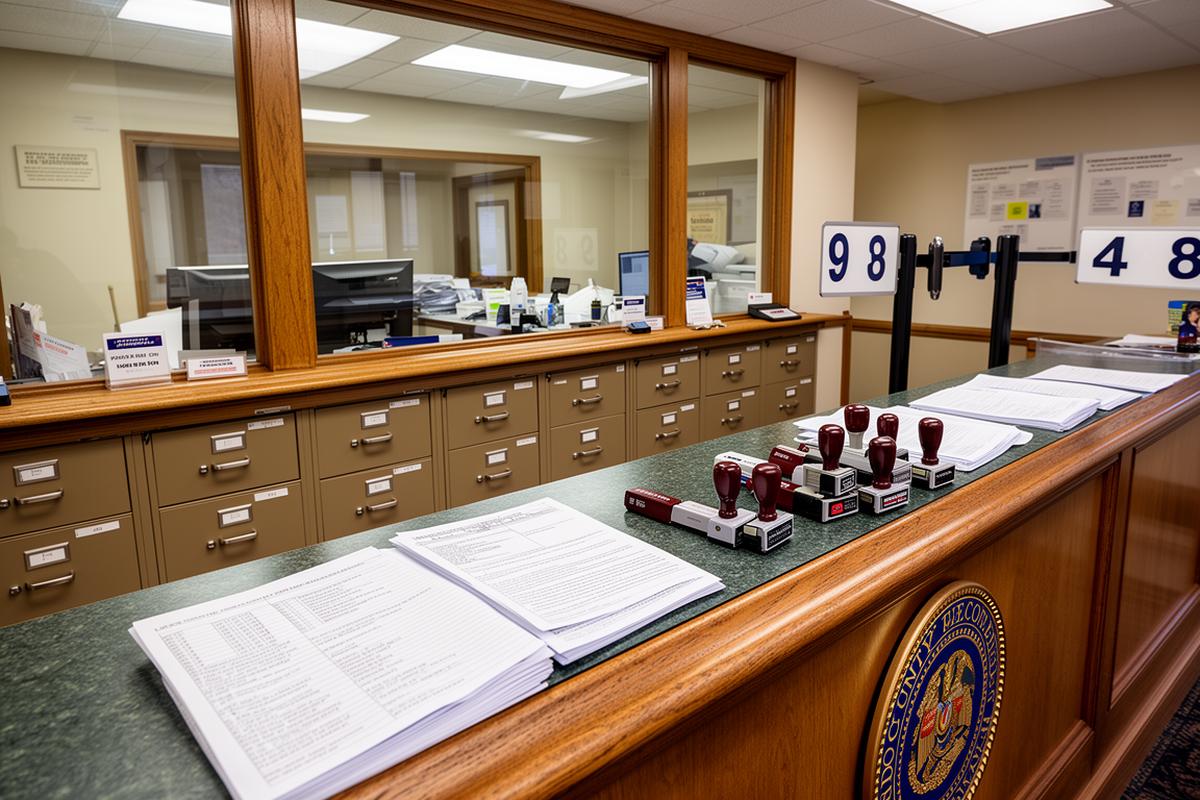
A certified copy is an official duplicate of a public record that includes an endorsement, stamp, or seal from the issuing agency or court. This seal verifies that the copy is a true and accurate reproduction of the original document on file.
Certified copies are commonly required when documents will be:
Filed in court as evidence or part of a legal case
Used for official business registration or compliance
Submitted to government or regulatory bodies
Shared with banks, investors, or auditors for verification
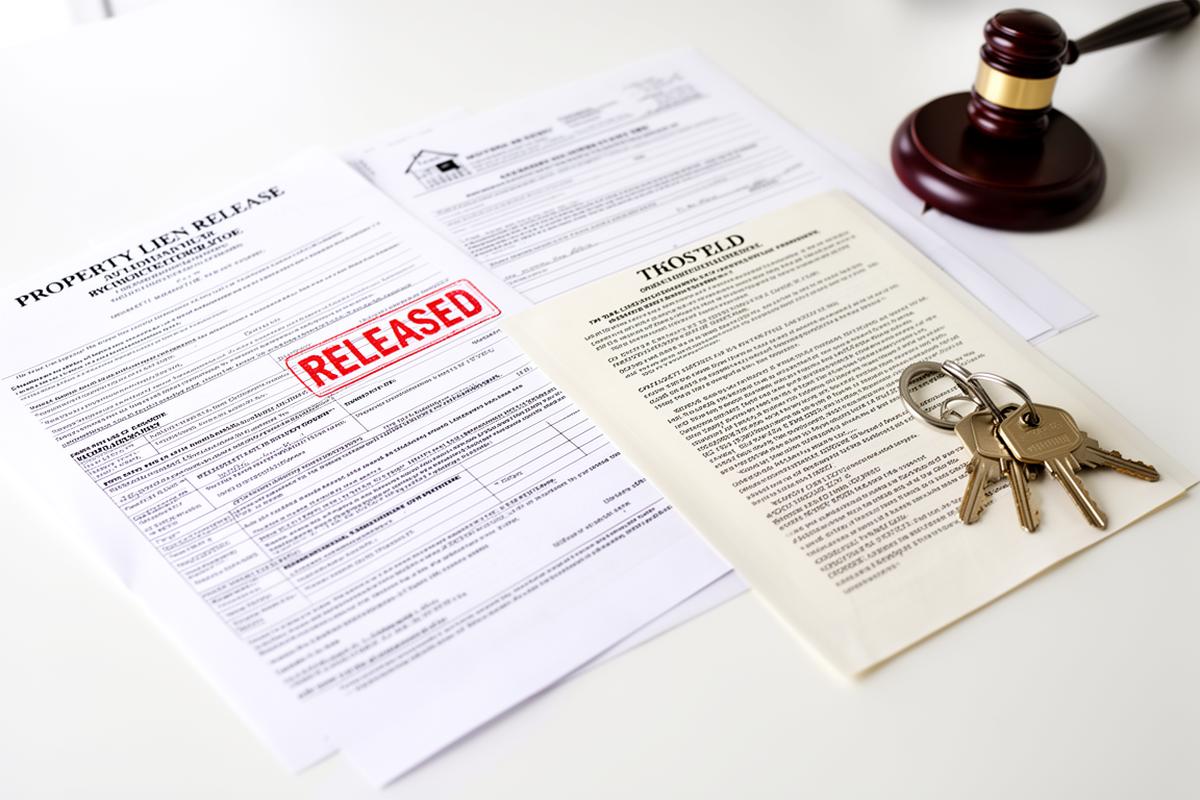
They often include a certification statement such as “I hereby certify this to be a true and correct copy of the original,” signed by a clerk or authorized official. Because they carry legal authenticity, certified copies are treated as equivalent to the original in most proceedings.
What Is a Plain Copy?
A plain copy (also called an informational copy) is simply a photocopy or digital image of the document without any official seal or endorsement. While it contains the same text and data, it does not carry legal certification.
Plain copies are ideal for:
Research, review, or internal reference
Preliminary due diligence or background checks
Drafting legal documents before filing certified versions
Maintaining general records within a company or law firm
They’re faster and less expensive to obtain — perfect when verification or legal validation isn’t required.
Key Differences Between Certified and Plain Copies
The core difference lies in authenticity and intended use. A plain copy confirms the content of a record, while a certified copy confirms both the content and authenticity.
Certified copies are typically required when the document will be presented to a third party or used to establish legal standing. Plain copies are sufficient for internal purposes or informational review. If there’s ever uncertainty, it’s safer to request a certified version upfront — especially for court submissions or business transactions.
How to Request Each Type
When submitting a request, always indicate which type you need. Most clerks and agencies will assume a plain copy unless certification is specified. Some jurisdictions charge additional fees for certified copies or require in-person pickup for official seals. A document retrieval specialist, like those at 1DocRetrieval, ensures your request specifies the correct format, certification, and delivery method from the start — preventing delays or the need to reorder documents later.
The 1DocRetrieval Advantage
At 1DocRetrieval, we make it easy to get the exact documents you need — certified or plain. Our team verifies your request details, confirms the correct format with the issuing agency, and delivers the completed records quickly and securely. Whether you’re preparing a legal filing, verifying a corporate record, or conducting research, we ensure your documents arrive exactly as required — accurate, authenticated, and ready to use.