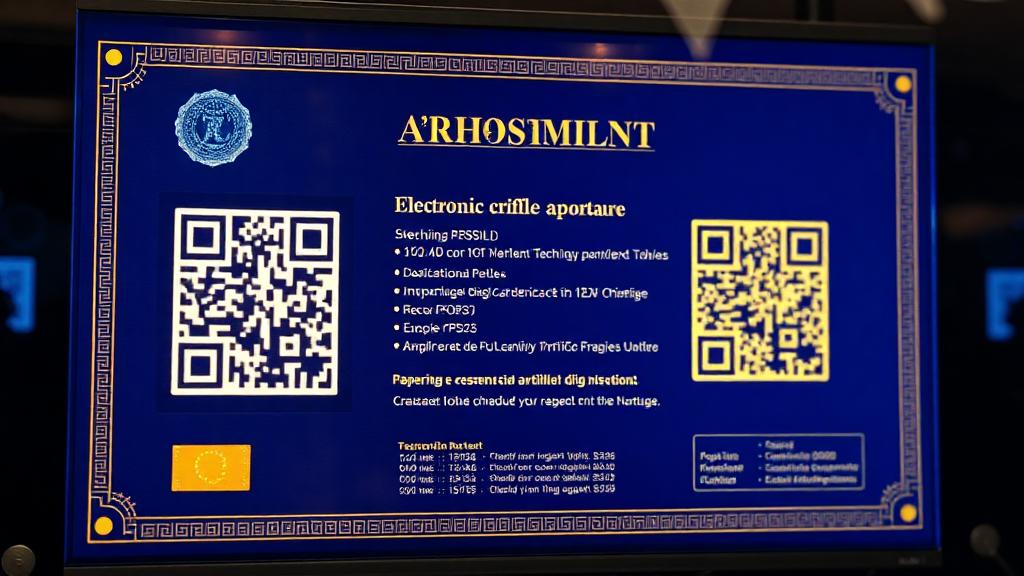
The Digital Transformation of Vital Records
The COVID-19 pandemic accelerated the digitization of government services, and vital records offices are no exception. In 2024, we're seeing significant changes in how states manage and distribute official documents.
States Leading the Digital Charge
California
California's Cal-EDRS (Electronic Death Registration System) has streamlined death certificate processing, reducing turnaround times by up to 50%.
Texas
The Texas Electronic Vital Events Registrar (TxEVER) now handles most birth and death registrations electronically.
Florida
Florida's DAVE (Department Automated Vital Events) system provides faster processing for all vital records.
Benefits of Digital Systems
Faster Processing
Electronic systems reduce manual data entry and physical document handling, cutting processing times significantly.
Improved Accuracy
Digital validation reduces errors in names, dates, and other critical information.
Better Security
Modern systems include enhanced security features to prevent fraud and unauthorized access.
Challenges and Limitations
Digital Divide
Not all applicants have internet access or comfort with online systems, requiring continued in-person options.
Legacy Records
Historical records still require manual retrieval and digitization efforts.
Inter-State Compatibility
Different systems don't always communicate well, complicating multi-state requests.
What This Means for You
While digital systems are improving, navigating them still requires knowledge of each state's specific procedures. 1DocRetrieval stays current on all system changes to provide the fastest possible service.